Transit-Oriented Communities
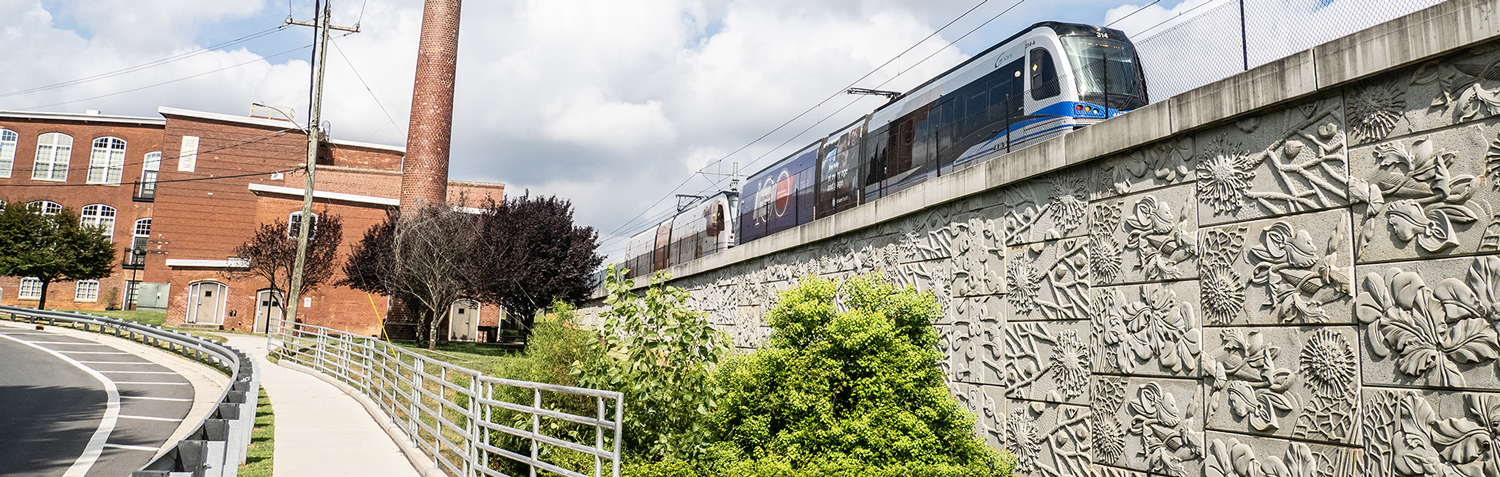
The City of Charlotte is developing Transit-Oriented Communities (TOC) provide all residents, regardless of socioeconomic status, with the opportunity to live near transit stations and experience the benefits of development and access.
A TOC is more than just development near transit—it is a deliberate, strategic approach to building walkable, mixed-use, and connected neighborhoods – where all people, regardless of income, race, age, gender, ability, or background can thrive.
By centering growth around high-capacity transit, TOCs create vibrant hubs of activity that support access to jobs, affordable housing, education, amenities, and essential services. They also reduce reliance on car travel in support of a more sustainable region. TOCs also seek to preserve the cultural identity of neighborhoods, protect long-standing residents and small businesses from displacement, and share the benefits of transit investments fairly among community members. By placing community needs and expectations at the center of transit-related investments, TOCs turn infrastructure into impact.
The City of Charlotte prioritizes all community members in the decision-making process through inclusive and transparent engagement by:
- Building the capacity of communities to support connected communities
- Embedding equitable development principles into the municipal planning process
- Making equitable development required, easier, and more predictable
Transit-Oriented Communities help ensure transit investment creates lasting community benefits by guiding decisions about growth, housing, mobility, business development, and neighborhood investment.
TOC Objectives
The objectives of TOCs align directly with the city’s Strategic Mobility Plan to manage Charlotte’s current and future transit and transportation needs. As the region continues to grow, TOCs will be a key component of the Mobility+ initiative which aims to improve transportation and communities by connecting people to jobs, housing, amenities and each other across the region. In November 2025, Mecklenburg County voters approved a one-cent sales tax, which is projected to generate more than $19 billion over the 30 years. This revenue will be invested in infrastructure projects that will enhance roads, bus, and rail services, traffic safety and more. Investments from the plan will create more than 1,800 jobs and address the challenges of traffic congestion, limited mobility options and housing insecurity.
Improved Transportation
that provides faster, easier commutes and expanded public transit options, which means better connections, reduced travel times and reduced emissions.
Affordability
for housing near transit, stores, jobs and services which helps cut living costs while increasing access so workers, families and seniors can live close to jobs, schools and essential services.
Thriving Communities
where neighborhoods and businesses flourish with economic growth, vibrant public spaces and community pride.