Salt smarter this winter: protect our waterways while staying safe
Published on January 02, 2026
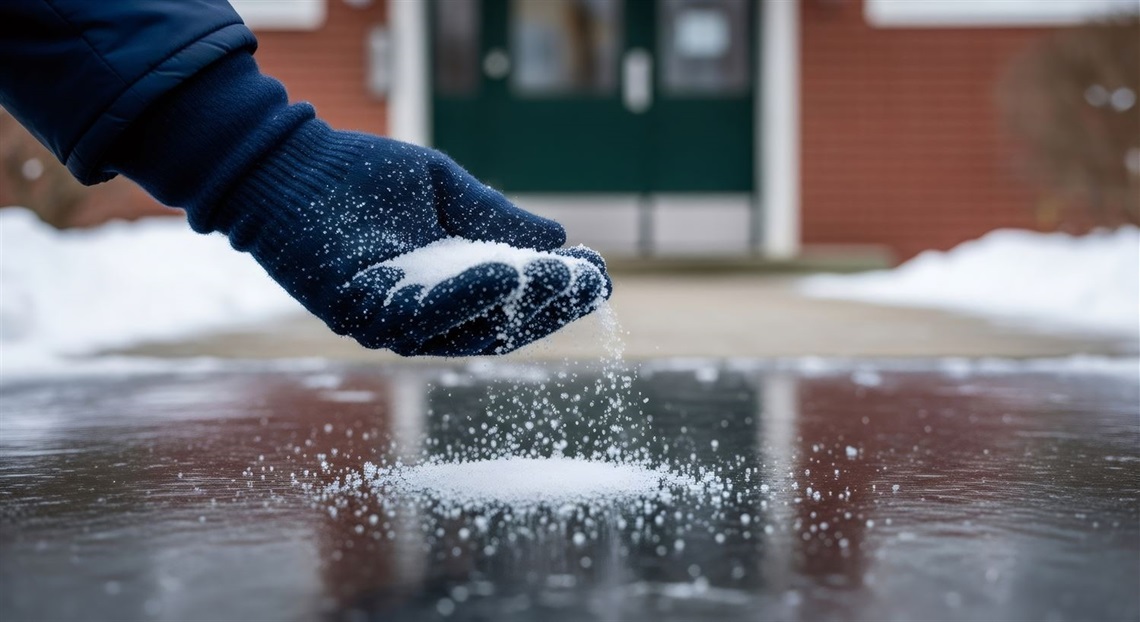
This time of year often brings cold temperatures, ice (and sometimes snow), along with the use of salt to keep sidewalks, driveways and roads safe. While salt is effective at melting ice, using too much can harm our local waterways. A little bit goes a long way. Small changes in how we apply salt can make a big difference for our environment. To help keep roads safe while minimizing environmental impacts, the City of Charlotte takes a strategic approach to winter maintenance rather than just widely spreading salt. Equipment is carefully calibrated to ensure salt and brine are applied at proper rates. Materials are selected based on weather conditions and pavement temperature to maximize effectiveness while reducing overall use. In Charlotte, brine (salt dissolved in water) is applied before storms to prevent ice from bonding to pavement. Brine is composed of about 23% salt, significantly reducing the overall amount of salt applied and overall environmental impacts.
Salting Smarter Matters
When snow and ice melt, leftover salt doesn’t disappear. It washes into storm drains which flow directly into nearby creeks and lakes. Excess salt increases chloride levels in waterways, which can harm aquatic life and vegetation. Just one teaspoon of salt can pollute up to five gallons of water. Using your own brine mixture or applying less salt helps protect water quality while still keeping surfaces safe.
Best practices for using salt this winter
Create and apply brine mixture before a snow or ice event
- Use before light snow and ice events when temperatures are above 18o F, otherwise use salt.
- Create a brine mixture. Look up instructions online by entering “how to make brine for anti-icing. Here’s a quick guide on how to make brine for anti-icing.
- Apply brine. Put brine in a pump sprayer. Between 1-24 hours before predicted snow and ice, spray thin, even lines about six inches apart on paved surfaces.
Before applying salt
- Shovel or break up ice first. Remove as much snow and ice as possible before reaching for salt. You may find that salt isn’t needed at all once surfaces are cleared.
- Check the temperature. Salt becomes much less effective at temperatures below 15°F. In very cold conditions, other items like calcium chloride may be needed, or sand can be used for traction (but remember, sand does not melt ice and will need to be cleaned up later).
When applying salt
- Use far less than you think. One coffee mug of salt (about one pound) is enough to melt ice on a two-car driveway or about 10 sidewalk squares.
- Target slick areas only. Apply salt only where ice is present. More salt does not mean faster or better melting.
- Be patient. Salt takes time to work. Over-applying wastes money and increases pollution without improving results.
Fun fact: Just one grain of salt can melt a three-inch circle of ice
After the ice melts
- Sweep up extra salt. Once the ice is gone, leftover salt won’t do anything except wash into storm drains.
- Save it for later. Store unused salt and reuse it during the next winter event.
A small change makes a big difference
Everyone has a role to play in protecting our waterways. By shoveling first, using brine and less salt, and cleaning up what’s left behind, you can help reduce pollution while keeping walkways and driveways safe.
Related Links
 Learn More at Storm Water Services