Winter Weather: What to Know
Published on January 22, 2026
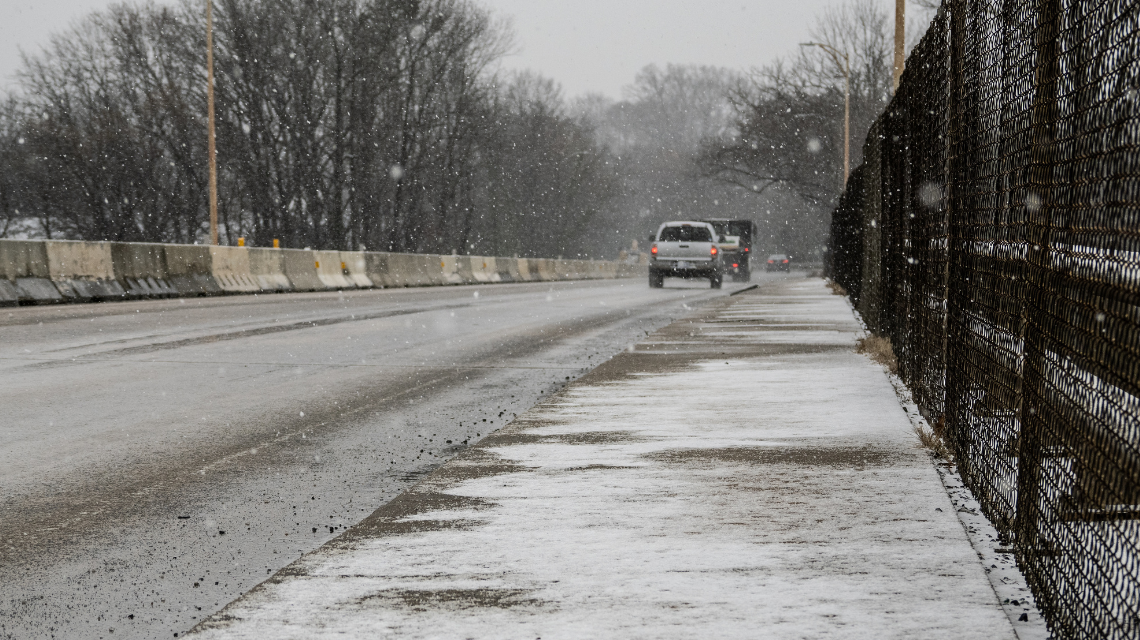
The National Weather Service has issued an Ice Storm Warning from Saturday afternoon (Jan. 24) through Monday afternoon (Jan. 26). This is a Winter Storm Warning with ice as the primary hazard. Please stay alert and prioritize safety during inclement weather, as outlined below.
In preparation for the incoming winter storm, the City of Charlotte has joined Mecklenburg County, the Town of Cornelius, the Town of Davidson, the Town of Huntersville, the Town of Matthews, the Town of Mint Hill and the Town of Pineville in declaring a State of Emergency(PDF, 4MB). This State of Emergency will go into effect on Saturday, Jan. 24 at noon (12 p.m.). It will remain in effect until local leaders deem it safe to end.
For relevant updates, sign up for CharMeck Alerts or follow the Charlotte-Mecklenburg Emergency Management Office on social media: Facebook; Instagram; X (Twitter).
Decoding the National Weather Service
Know the differences between key terms coming from our local National Weather Service office.
- A Winter Storm Warning is issued for a significant winter weather event, including snow, ice, sleet or blowing snow or a combination of these hazards. Travel will become difficult or impossible in some situations. Delay your travel plans until conditions improve.
- A Winter Storm Watch is issued when conditions are favorable for a significant winter storm event (heavy sleet, heavy snow, ice storm, heavy snow and blowing snow or a combination of events).
- A Winter Weather Advisory is issued when snow, blowing snow, ice, sleet or a combination of these wintry elements is expected but conditions should not be hazardous enough to meet warning criteria.
Other weather-related terms you may hear this weekend:
- Freezing Rain is rain that freezes when it hits the ground, creating a coating of ice on roads, walkways, trees and power lines.
- Sleet is rain that turns to ice pellets before reaching the ground. Sleet also causes moisture on roads to freeze and become slippery.
- Wind Chill is a measure of how cold people feel due to the combined effect of wind and cold temperatures. Both cold temperatures and wind remove heat from the body.
What to Prepare at Home
The primary concerns at home during a winter storm are 1) loss of heat, power and telephone service and 2) a shortage of supplies if storm conditions continue for more than a day. Here is a useful list of items to prepare ahead of upcoming weather conditions.
- Flashlight and extra batteries
- Battery-powered NOAA Weather Radio or portable radio to receive emergency information
- Extra water and food (dried fruit, nuts, granola bars and other food requiring no cooking or refrigeration)
- Extra baby items (diapers and formula)
- Extra pet food
- First-aid supplies
- Heating fuel (refuel before you are empty)
- Emergency heat source (fireplace, wood stove or space heater properly ventilated to prevent a home fire)
- Fire extinguisher
- Smoke alarm (tested monthly to ensure proper function)
- Carbon monoxide detector
- Backup generator
Once winter storms and extreme temperatures arrive, refer to Ready NC's website for helpful tips on staying safe in hazardous conditions.
If you lose power during a winter storm, contact Duke Energy by texting OUT to 57801, calling 800-769-3766 or reporting the outage online. Visit the Duke Energy Outages web page to learn more and view a current outage map.
Dangers of Carbon Monoxide
Carbon monoxide (CO) is called the “invisible killer,” because it's a colorless, odorless, poisonous gas. It is undetectable to the human senses, so people may not know that they are being exposed. CO poisoning can occur when a fuel-burning appliance or machine, such as a furnace, heater or generator, is not working or vented properly. View the following tips from the Charlotte Fire Department:
- Install and maintain CO alarms inside your home to provide early warning of CO.
- Install CO alarms in a central location outside each separate sleeping area and on every level of your home.
- Never use a gas grill or charcoal grill indoors.
- Make sure vents for the dryer, furnace, stove and fireplace are clear of snow and other debris such as leaves and dirt.
- Only use portable generators outdoors in well-ventilated areas away from all doors, windows and vents.
- Do not use a generator in a wet area.
- Connect appliances using heavy-duty extension cords.
- If you need to warm a vehicle, remove it from the garage immediately after starting it. Do not run a vehicle or other fueled engine or motor indoors, even if garage doors are open. Make sure the exhaust pipe of a running vehicle is not covered with snow.
Road Safety during Inclement Weather
If you do not need to be on the roads during inclement weather, the safest choice is to stay home. For those who must travel, please know that the Charlotte Department of Transportation (CDOT) works to keep city roads as safe as possible during winter weather.
CDOT reminds all drivers to do their part by slowing down and increasing following distance. Allowing extra space between vehicles gives you more time to react and stop safely, helping protect yourself and everyone else on the road. Stay alert, drive cautiously and arrive safely.
CATS Operations: Stay Connected
The Charlotte Area Transit System (CATS) is monitoring the potential for winter weather this weekend. At this time, Gold Line service is suspended Saturday and Sunday. Due to predicted road conditions, a bus bridge will NOT be in place.
For the most updated information, download the CATS-Pass app, where you will find a "Winter Weather Updates & Detours" section. Push notifications and additional Rider's Alerts will also be sent for any major service disruptions. Customers can also visit the Inclement Weather Alerts web page, which will provide real-time bus detours caused by changing road conditions.
In addition, CATS will provide updates on the official CATS X and Facebook accounts.
Those using transit during a winter weather event should be mindful of slippery conditions while boarding and exiting transit vehicles. If possible, please consider delaying travel until conditions improve. For questions or concerns, community members can speak to CATS Customer Service at 704-336-7433.
Downed Trees and Limbs: Emergency vs Non-Emergency
Emergency: If a tree or part of a tree has fallen and is obstructing or completely blocking the road, call 911 immediately. You can view a map of storm-related tree requests online. The map is updated every 20 minutes.
- Downed Power Lines: Per federal regulations, city tree crews cannot work near downed utility lines of any kind. Debris-clearing could be delayed due to coordination with utility companies.
Non-Emergency: If a tree or part of a tree has fallen outside the roadway and onto the shoulder, sidewalk or public right-of-way, call 311 or use the CLT+ mobile app to report. Please enter the street location and include a house number.
- For other non-emergency public tree issues, such as a damaged/unhealthy tree, hanging limb(s) or to request a tree health assessment, please use the online form, the CLT+ mobile app or call 311.
After the Storm: Before starting cleanup on your property, look for dangerous hanging limbs, downed utility lines, broken limbs and other failures. Also, block off damaged trees with caution tape, rope and/or traffic cones. Watch out for scammers showing up at your house claiming to be tree specialists. Do your homework, check references and make sure the business is legitimate.
Freezing Pipes
Taking extra steps to prevent frozen pipes is important in our area, especially if temperatures stay below freezing in the day after an overnight freeze. Some easy ways to help prepare your house's pipes include:
- Open doors on cabinets below sinks to allow warmer room air to circulate around plumbing at night.
- Disconnect garden hoses from outdoor spigots.
- Seal any openings and air leaks in the crawl space or basement.
Find more helpful tips, including what to do if your pipes freeze, by visiting Charlotte Water's blog.
Pet Safety
Animal Care & Control (ACC) urges pet owners to take immediate steps to protect their animals from dangerously cold conditions. If you have outdoor pets, bring them indoors. This is the best way to ensure your pet's safety and reduce the risks associated with exposure to freezing temperatures. For more, visit the Winter Safety Tips dropdown on ACC's Pet Safety and Wellness web page.
Solid Waste Services
City of Charlotte Solid Waste Services would like to ensure the safety of its staff and residents. Please assist them by following these tips:
- To avoid delays, please ensure your collection items are placed at the curb no later than 6 a.m. on your collection day.
- To ensure your cart is fully emptied, please make sure the cart handle faces your home.
- Position your garbage and recycling carts in a location that is clear of snow and ice to allow our collection crews safe access.
- To assist our crews, please shovel and de-ice your driveway and the area around your carts. This will make reaching and collecting your waste easier for our teams.
- If your regular collection spot becomes inaccessible due to snow buildup, please move your carts to a more accessible location, such as the end of your driveway or by a clear street area.
- During winter weather, proper preparation is especially important. Please ensure garbage is bagged, recyclables are loose (not bagged) and cart lids are fully closed to prevent litter, spills and safety hazards.
- Avoid parking on the street on your collection day to help crews safely and efficiently complete service.
- For additional information, visit the Solid Waste Services Collection Guidelines web page.
Solid Waste Services offers text alerts for collection updates, service disruptions, recycling and waste preparation tips, quick surveys and other important city service information. Residents who would like to receive updates can text their day of service to 73224. For example, if your collection day is Thursday, they would text “Thursday” to 73224.