Silver Line Transit-Oriented Development (TOD) Study
Silver Line Transit-Oriented Development (TOD) Study
The Silver Line TOD Study was completed in March 2022 by the Charlotte Area Transit System (CATS) and the City of Charlotte Planning, Design & Development Department. The study provides guidance for future development in areas around proposed Silver Line light rail stations. The study team worked with a broad coalition of residents and partners to develop a vision for the corridor. (The TOD Study was a separate, complementary effort to the ongoing engineering design of the Silver Line.)
Through the Silver Line TOD Study, CATS and the City developed two primary reports to guide future development within the proposed Silver Line station areas.
Silver Line Transit-Oriented Development Study Final Report
This report outlined specific recommendations for transit-oriented development (TOD) around each of the 31 proposed Silver Line stations. The content and recommendations are tailored to the unique context and public input received for each specific station area. Download the Silver Line TOD Report below:
Silver Line TOD Final Report(PDF, 105MB)
CATS Station Area Typologies Manual
This report outlined the planning, urban design, and development of future transit stations. It is designed to complement the station site selection process and inform station area design considerations. Download the Silver Line Station Typology manual below:
Silver Line Station Typology Manual(PDF, 2MB)
TOD Principles
- Enhance Connectivity: Connect other travel modes – walking, biking and driving – to the light rail to create an expansive transportation network.
- Encourage a Mix of Land Uses: Focus a mix of complementary, well-integrated land uses within walking distance of a transit station.
- Enhance Community Identify: Design attractive and safe stations to enhance community identity and promote walking.
- Expand Job and Housing Opportunities: Optimize transit to enhance economic mobility and access to jobs; increase affordable housing and neighborhood amenities.
Station Area Typologies
Different station types are described below. Each station area typology was determined by a variety of factors, including how transit customers access the station, land use context and the Charlotte Future 2040 Place Types, urban design / placemaking considerations, and market factors.
Walk-Up
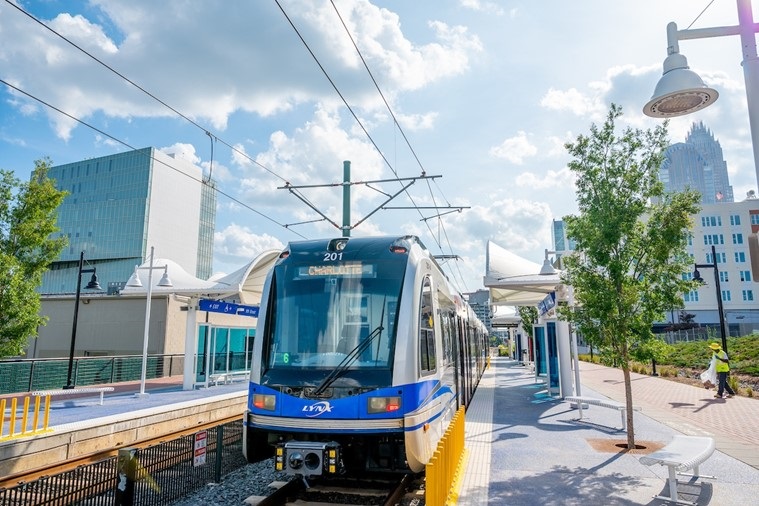
Walk-up stations are intended for dense, highly-walkable built environments. This station typology is most appropriate in locations with existing or planned/funded moderate-to-intense land uses. Walk-up stations are primarily accessed by walking and bicycling and have no on-site vehicular parking. Bus connections and rideshare drop-off may have designated on-street space.
What Station Areas are Walk-Up?
- Berryhill
- Summit Ave
- Graham Street
- First Ward
- Central Ave
- Pecan
- Morningside
- Village Lake
- Downtown Matthews
- Sportsplex
Ride-Up
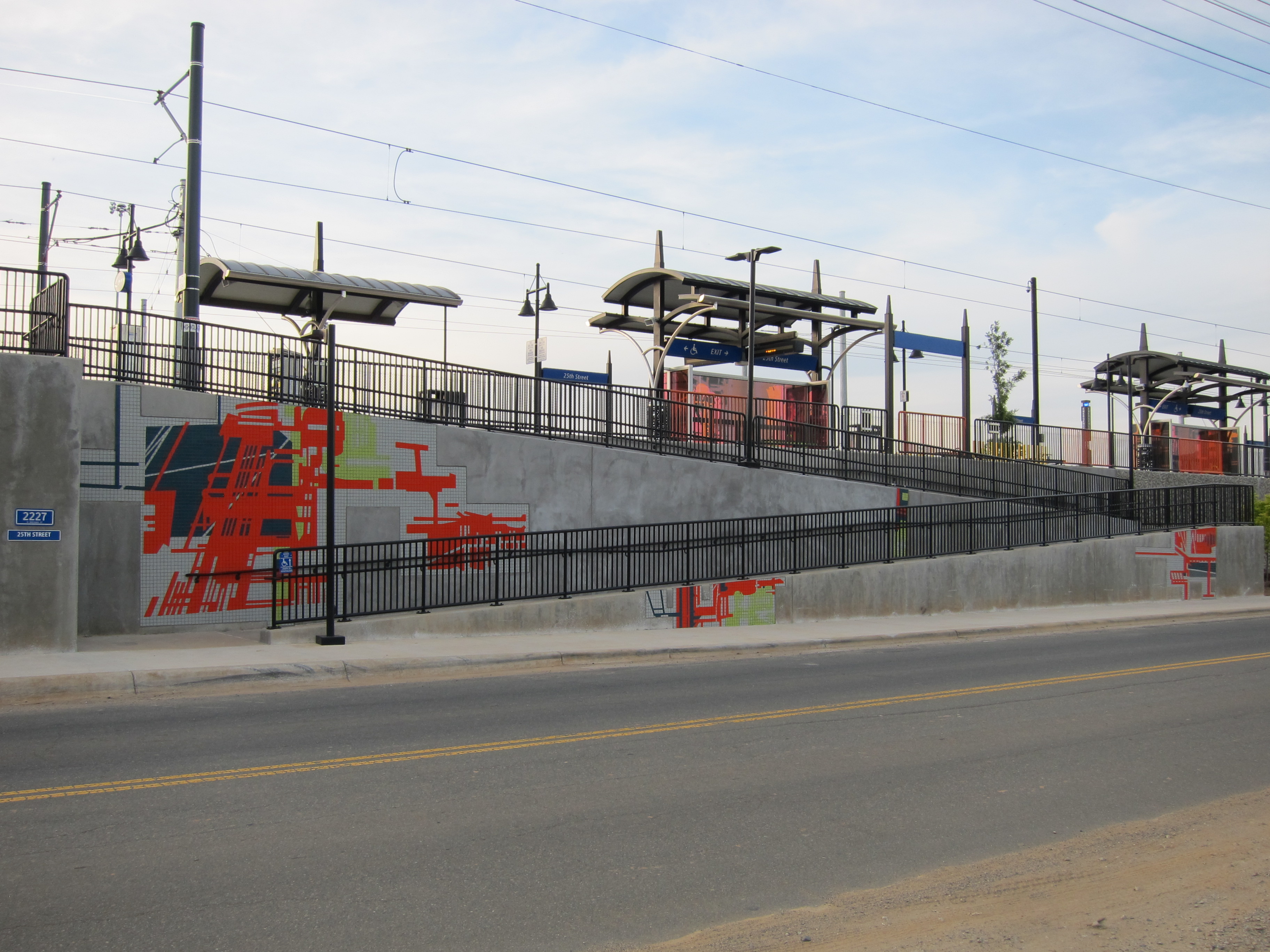
Ride-up stations are intended for areas that still have a walkable and bikeable built environment in contexts where drop off is anticipated for successful ridership. These stations are accessed by walking and bicycling and have accommodations for ride-ups and drop-offs and shared mobility. Ride-up stations typically have limited personal vehicular parking, but parking may be provided depending on site conditions and context. Bus connections for this station area can occur onstreet, and the station may include limited layover spaces.
What Station Areas are Ride-Up?
- Sam Wilson
- Boyer
- Morris Field
- Ashely
- Remount
- McAlpine
- Galleria
- Matthews Township Parkway
- Indian Trail
Commuter
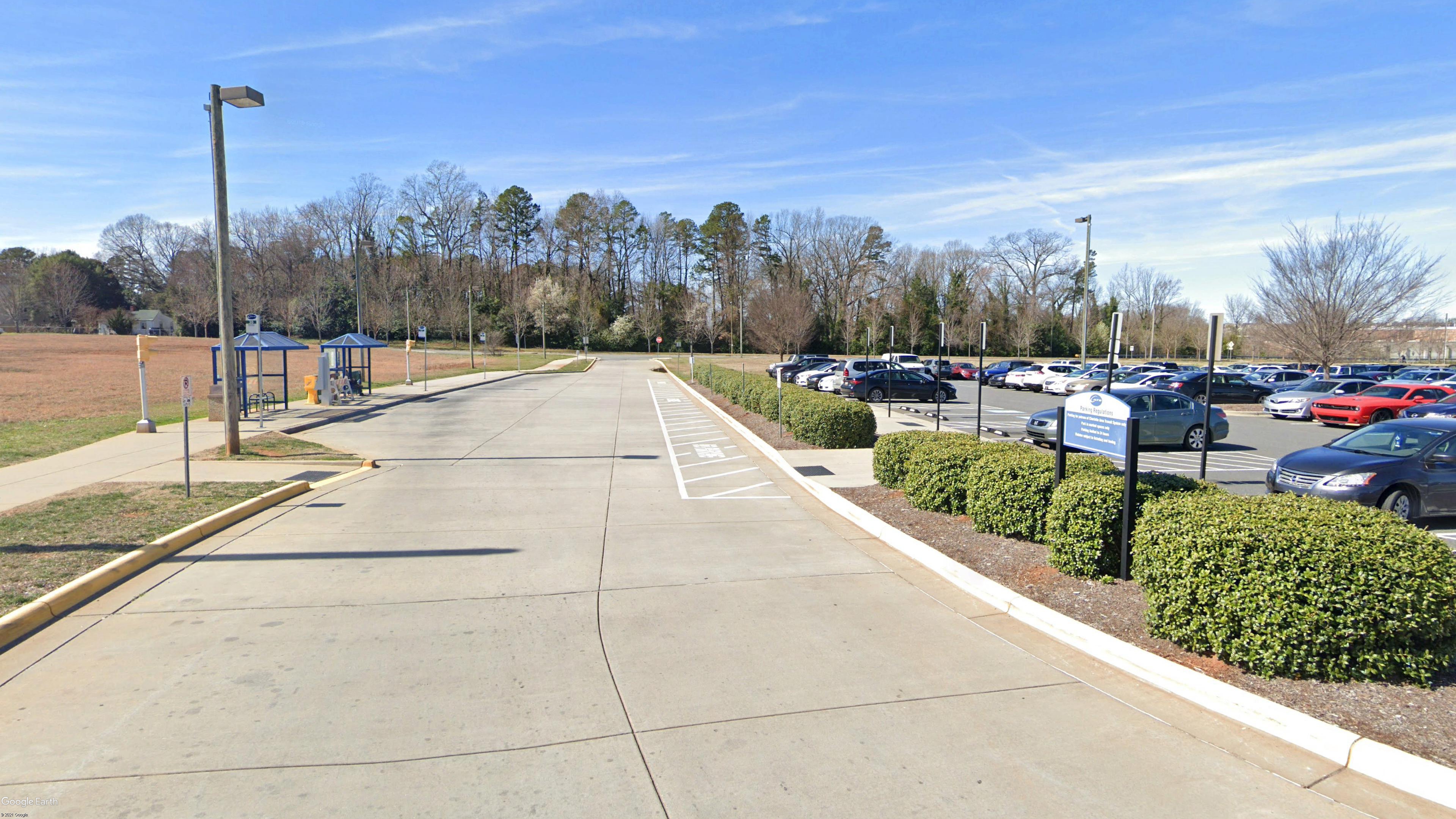 Commuter stations are intended to serve the largest populations and are typically found near and accessible to key arterials and interstates. Often, these stations are located at or near the end of rail lines. These stations include significant parking facilities for personal vehicles, along with accommodations for all other modes. The parking facilities may be surface lots or parking structures and can include bus connection/staging areas.
What Station Areas are Commuter?
- Belmont
- I-485
- Sharon Amity
- Conference Dr
- CPCC Levine
- Stallings
Destination / Transfer
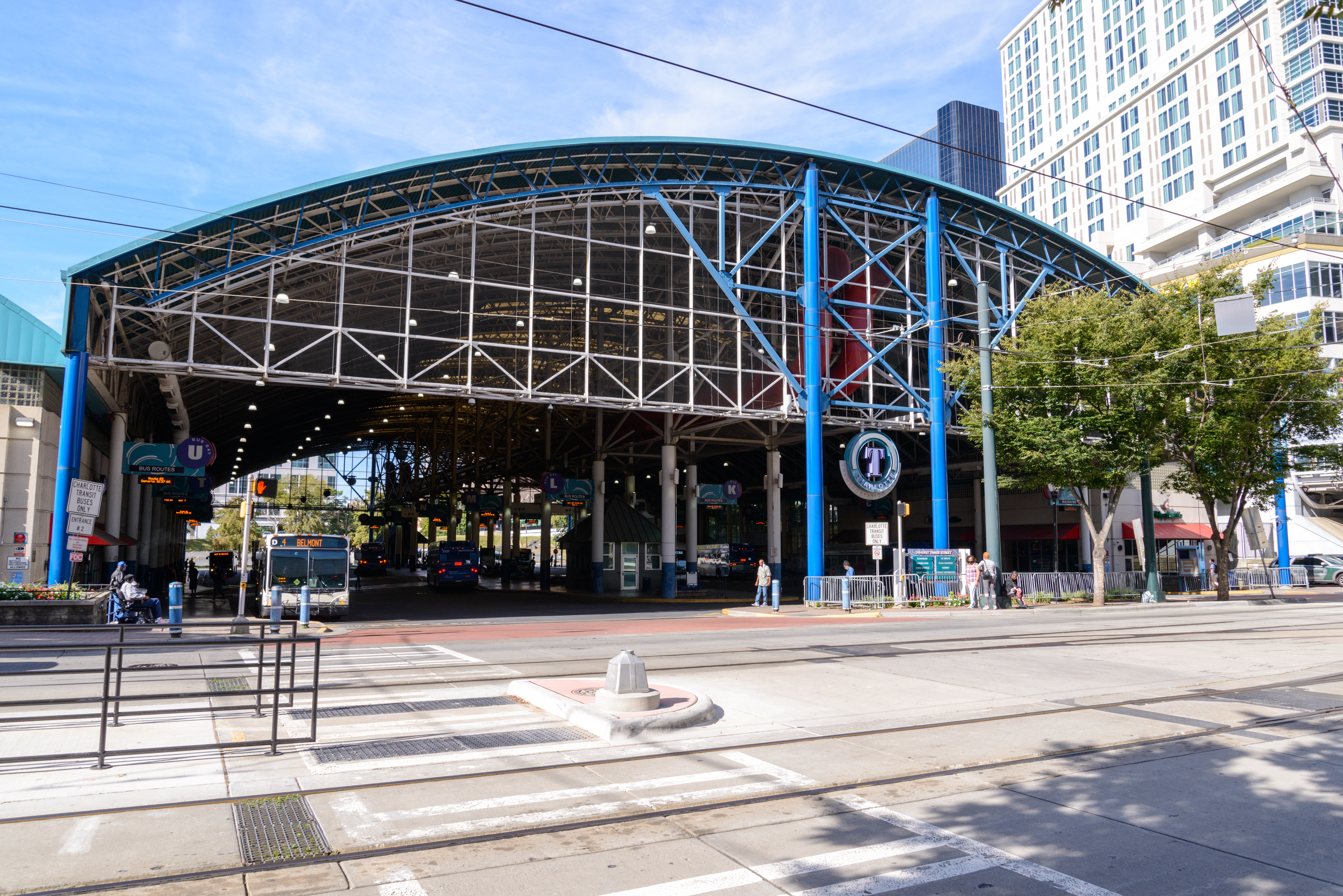
Destination/transfer stations can be functionally identical to walk-up, ride-up, or commuter stations with the notable addition of connections to other premium transit, mobility hubs, or a major destination at the stop. These stations are intended to accommodate large crowds as well as connections to multiple other modes including streetcar, multiple bus routes, and more.
What Station Areas are Destination/Transfer?
- Airport
- Morehead
- Gateway
- 11th St
- Bojangles Coliseum
Implementation Plan
Successful implementation of TOD occurs through a combination of recognizing and leveraging market development forces, proactive municipal policies, and targeted public infrastructure that support compact, walkable/bikeable, equitable development outcomes. Recommendations on potential infrastructure improvements and TOD areas are outlined in the map that you can view by selecting this link: TOD Implementation Map.
The TOD areas reflect input from community and stakeholders. These TOD areas and the recommendations from the TOD Study support the City's adopted 2040 Policy Map which you can view by selecting this link: The Charlotte 2040 Policy Map.